

Quick answer
How to tour the Scottish Highlands depends on your available time and transport method. Most visitors explore by car over three to seven days, following established routes like the North Coast 500 or the A82 corridor through Glen Coe and along Loch Ness. Self-drive allows flexibility to stop at viewpoints and remote villages, while guided coach tours follow fixed itineraries between major sites.
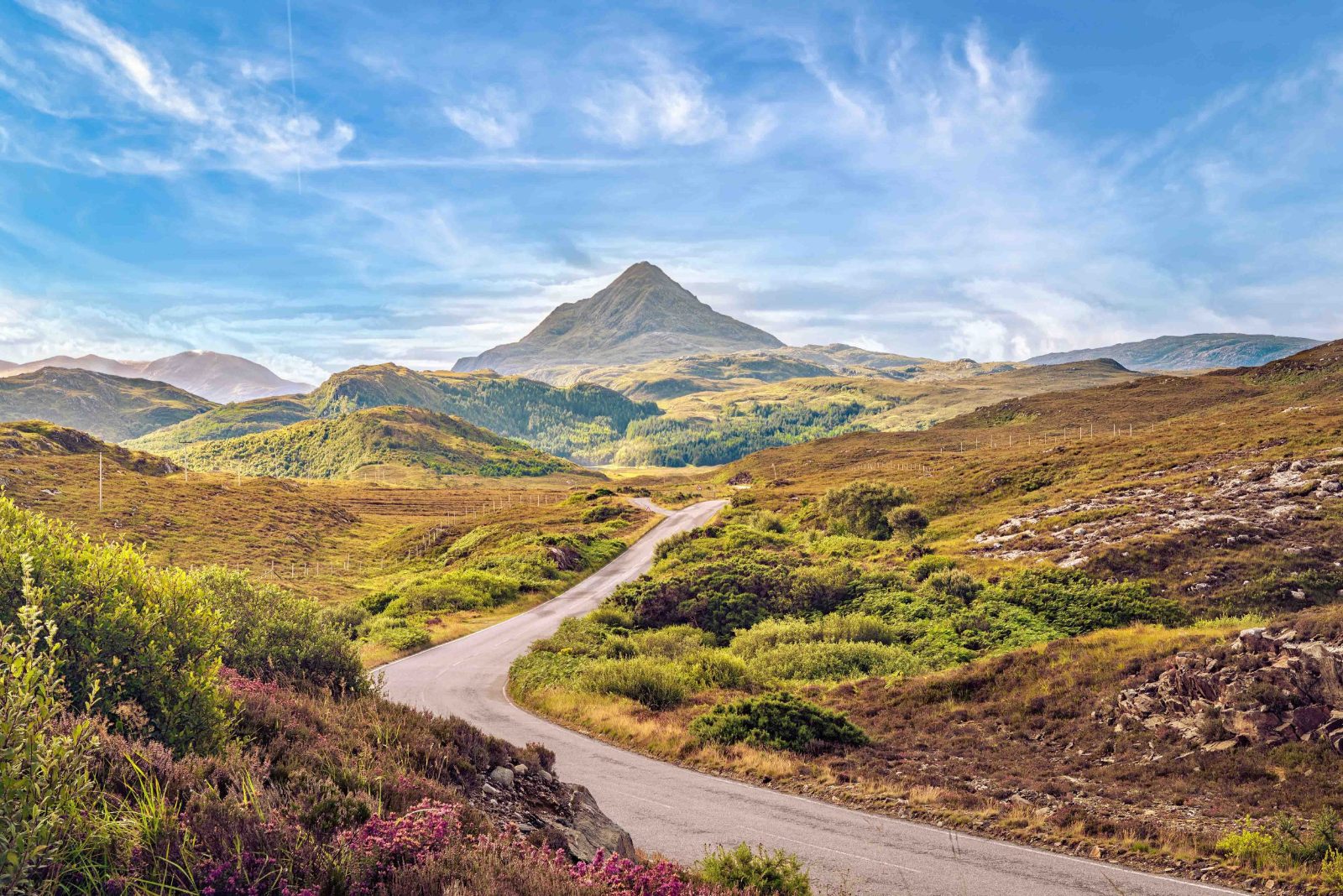
The region receives fewer than two million overnight visitors each year, yet its road network stretches across terrain that defeated centuries of military engineers. Single-track roads with passing places remain the primary access to much of the northwest coast, a legacy of 18th-century construction that shapes modern touring logistics. How to tour the Scottish Highlands begins with choosing between the eastern and western corridors. The A9 runs north from Perth through Aviemore and Inverness, serving the Cairngorms massif and settlements along the Moray Firth. The A82 traces the Great Glen from Fort William past Loch Ness to Inverness, threading between peaks that exceed 1,000 metres. The North Coast 500 loop—a 516-mile circuit from Inverness—combines both coasts with the Far North, requiring a minimum of five days to complete without rushing. Each route exposes different geology: Torridonian sandstone in Wester Ross, granite plateaus in the Cairngorms, volcanic remnants in Glen Coe. Transport choice dictates pace. Rental cars offer the widest access, essential for reaching coastal villages like Ullapool or Plockton where public transport runs once or twice daily. Motorhomes have grown popular but face width restrictions on single-track sections and limited overnight parking outside designated sites. Guided tours cover the major landmarks—Eilean Donan Castle, Glenfinnan Viaduct, Urquhart Castle—but rarely venture beyond paved A-roads. Cyclists tackle the North Coast 500 in seven to ten days, though headwinds along the north coast add significant effort. Seasonal variation affects both conditions and crowds. May through September delivers the longest daylight and mildest weather, but also peak tour bus traffic at roadside viewpoints. Midges—biting insects that swarm in still, damp conditions—plague lower elevations from late May through August, particularly severe near water. October through April brings shorter days and snow above 600 metres, closing some high passes but clearing the roads of tour groups. Winter light enhances the landscape's drama, though services in smaller villages reduce to weekend-only operation. Arriving at major viewpoints between 08:00 and 10:00 secures parking before the first coach tours, a timing advantage that becomes critical at popular stops along the A82 and around Skye.
“Single-track roads with passing places remain the primary access to much of the northwest coast, a legacy of 18th-century construction that shapes modern touring logistics.”
The Best Time and Hours to Tour the Scottish Highlands
The optimal arrival window for touring the Scottish Highlands is between 08:00 and 10:00. This schedule allows travelers to avoid peak tour bus traffic and secure parking at popular scenic viewpoints.
May and September
Moderate; fewer crowds than summer.Mild temperatures between 10°C and 15°C. These months offer a balance of daylight and manageable visitor numbers.
June to August
High; busy at major sites.Warmest weather, peaking at 18°C. Long daylight hours allow for extended exploration.
October and April
Low; quiet trails and roads.Cooler temperatures ranging from 5°C to 12°C. Shorter daylight hours require careful planning.
Weekday mornings
Low; ideal for solitude.—
Arriving between 08:00 and 10:00 ensures better access to parking and quieter experiences at key locations.
Verdict: For the most efficient experience, plan your visit for Tuesday to Thursday during the months of April or October, arriving at your first destination between 08:00 and 10:00.
How to Tour the Scottish Highlands: Recommended Itinerary Planning
This framework suits self-drive visitors covering the central and western Highlands over 3–5 days, connecting major landmarks via the A82 and A87 corridors.
Fort William and Glen Coe
Base yourself in Fort William and explore Glen Coe's dramatic valley floor, allowing 2–3 hours for photo stops and short walks along the A82. Secure accommodation early during summer months.
Isle of Skye via Kyle of Lochalsh
Drive west via the A87 (2.5 hours from Fort William) and cross the Skye Bridge; prioritise the Quiraing, Old Man of Storr, and Fairy Pools with 4–5 hours of daylight exploration. Overnight in Portree or Broadford.
Return via Loch Ness
Travel east along the A87 and A82, stopping at Urquhart Castle ruins on Loch Ness (1 hour), then continue to Inverness or Fort Augustus. Budget 3 hours driving plus stops.
Cairngorms or North Coast (Optional)
Extend north to Dunnet Head and Durness (5 hours one-way) or southeast to Cairngorms National Park for hiking; both require overnight stays to avoid fatigue. Adjust based on your available time.
How to Tour the Scottish Highlands: Transport and Arrival Logistics
The Scottish Highlands encompass a vast region of Northern Scotland, typically accessed from major hubs like Edinburgh or Glasgow. Travelers generally arrive via the A9 road corridor or the national rail network.
A9 road from Perth toward Inverness
ScotRail services from Edinburgh Waverley to Inverness
Citylink coach services from Glasgow or Edinburgh to various Highland towns
Essential Tips on How to Tour the Scottish Highlands
Navigating the Scottish Highlands requires preparation for varied terrain, unpredictable weather, and limited connectivity in remote regions.
Single-track road etiquette
Use passing places to allow oncoming vehicles to pass safely, pulling over to the left or waiting opposite the designated area. Do not park in these spaces, as they are essential for local traffic flow.
Weather variability
Prepare for rapid changes by packing moisture-wicking layers and waterproof outer shells, regardless of the seasonal forecast. Conditions can shift from calm to high winds and rain within minutes in mountainous areas.
Mobile connectivity
Download offline maps and essential documents before departing urban centers, as cellular signals are often non-existent in glens and deep valleys. Relying on digital navigation without an offline backup can lead to complications in remote areas.
Midges and insects
Carry repellent containing DEET or Picaridin during the summer months, particularly when near standing water or in sheltered areas. These small biting insects are most active during calm, overcast conditions.
Fuel management
Refill your fuel tank whenever you pass a station in larger villages or towns. Remote stretches frequently lack petrol stations, and driving distances can be longer than anticipated due to winding road layouts.
A Pre-Departure Checklist on How to Tour the Scottish Highlands
Touring the Highlands independently requires advance preparation for remote terrain, changeable weather, and limited services.
-
Download offline maps for your route — Mobile signal is patchy across much of the region.
-
Check your vehicle's fuel, spare tire, and washer fluid — Petrol stations can be 50+ miles apart in remote areas.
-
Pack waterproof layers and warm clothing — Weather shifts rapidly, even in summer months.
-
Bring a physical road atlas or printed route — GPS can fail in glens and mountain passes.
-
Reserve accommodation at least two weeks ahead — Highland villages have limited lodging, especially peak season.
-
Carry cash for small village shops and car parks — Card machines are uncommon in remote locations.
-
Stock non-perishable snacks and bottled water — Restaurants and shops close early outside larger towns.
Check availability
Frequently asked questions about how to tour the Scottish Highlands
Everything you need to know about how to tour the scottish highlands